31 March 2026
Dean de Aragón Spears
Dal blu al Sussex Bay, seeing the ocean through art
I was in Madrid recently, in that slightly in between state you get when you’re both at home and not quite at home. Being half Spanish Brightonian (although originally and proudly from the Council estates around inner city Birmingham), Madrid always feels familiar (and warm), but this time I stumbled across something unexpected that has stayed with me. It also felt like one of those moments where identity comes into play. In the UK, I don’t always use my full married name, Dean de Aragón Spears, but in this blog it feels like the right thing to do.
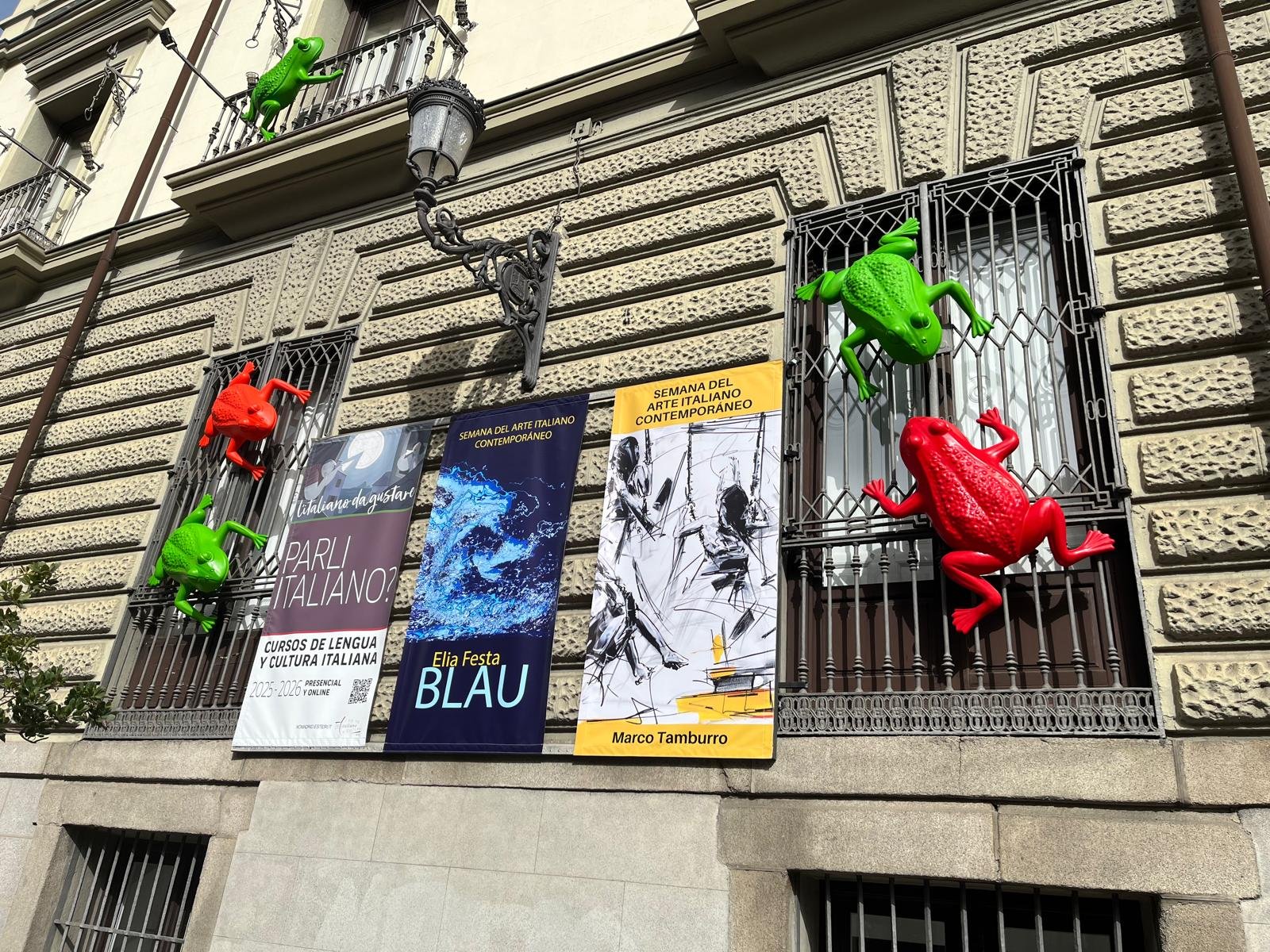
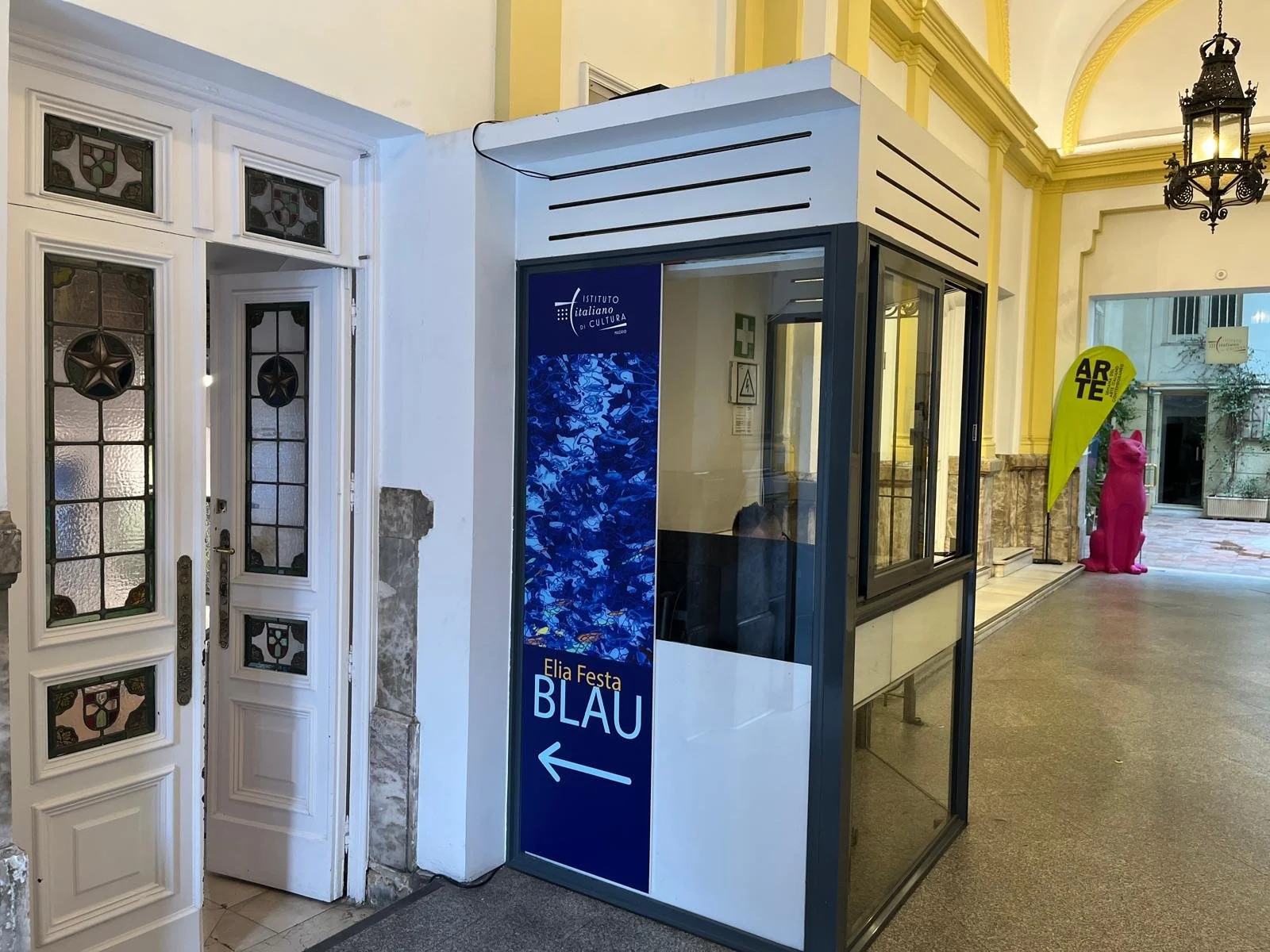
At the Italian Cultural Institute in Madrid, I came across an exhibition called BLAU by the Italian artist Elia Festa. I didn’t know this work beforehand. I walked in out of curiosity and left thinking about Sussex Bay.
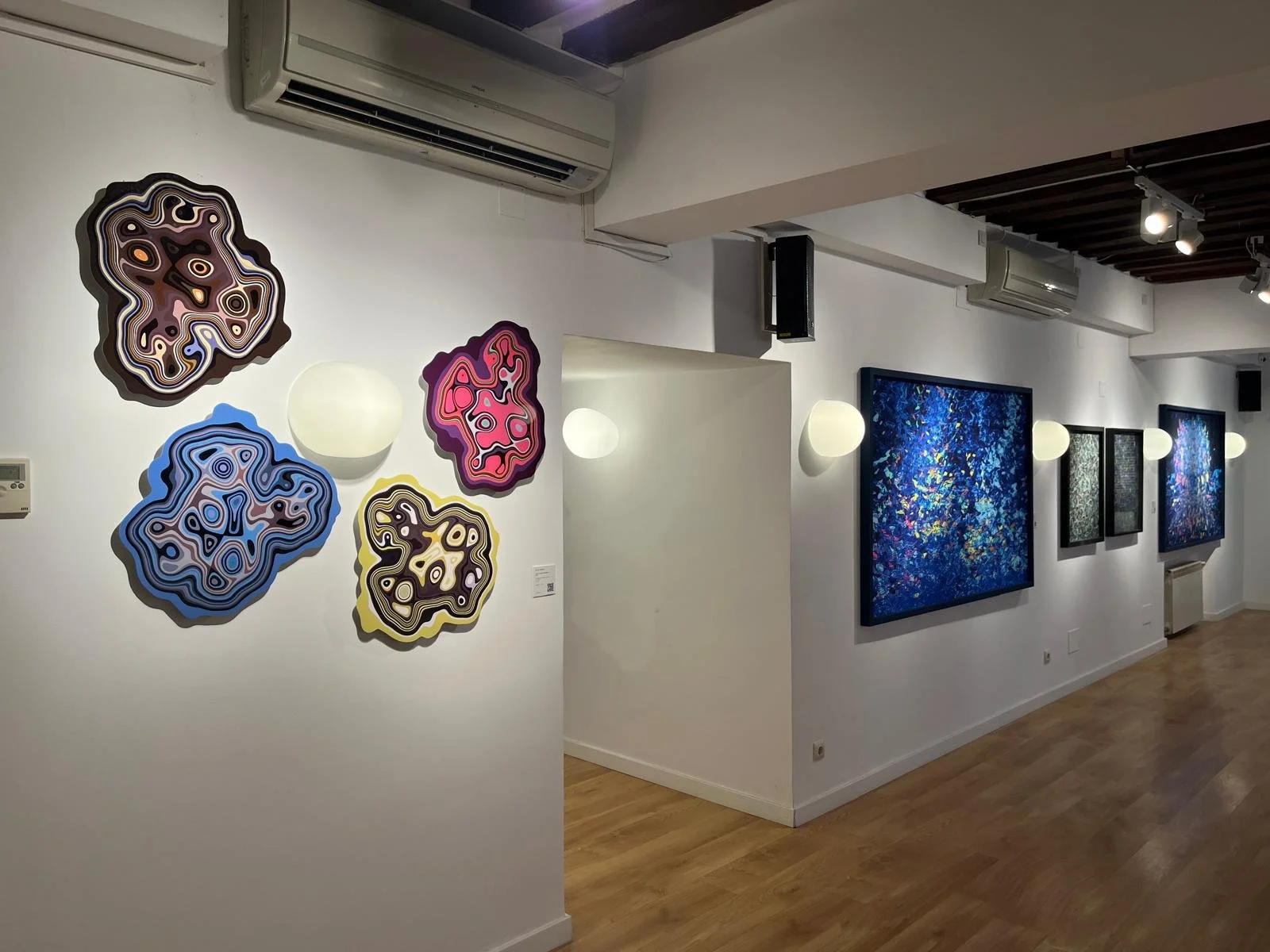
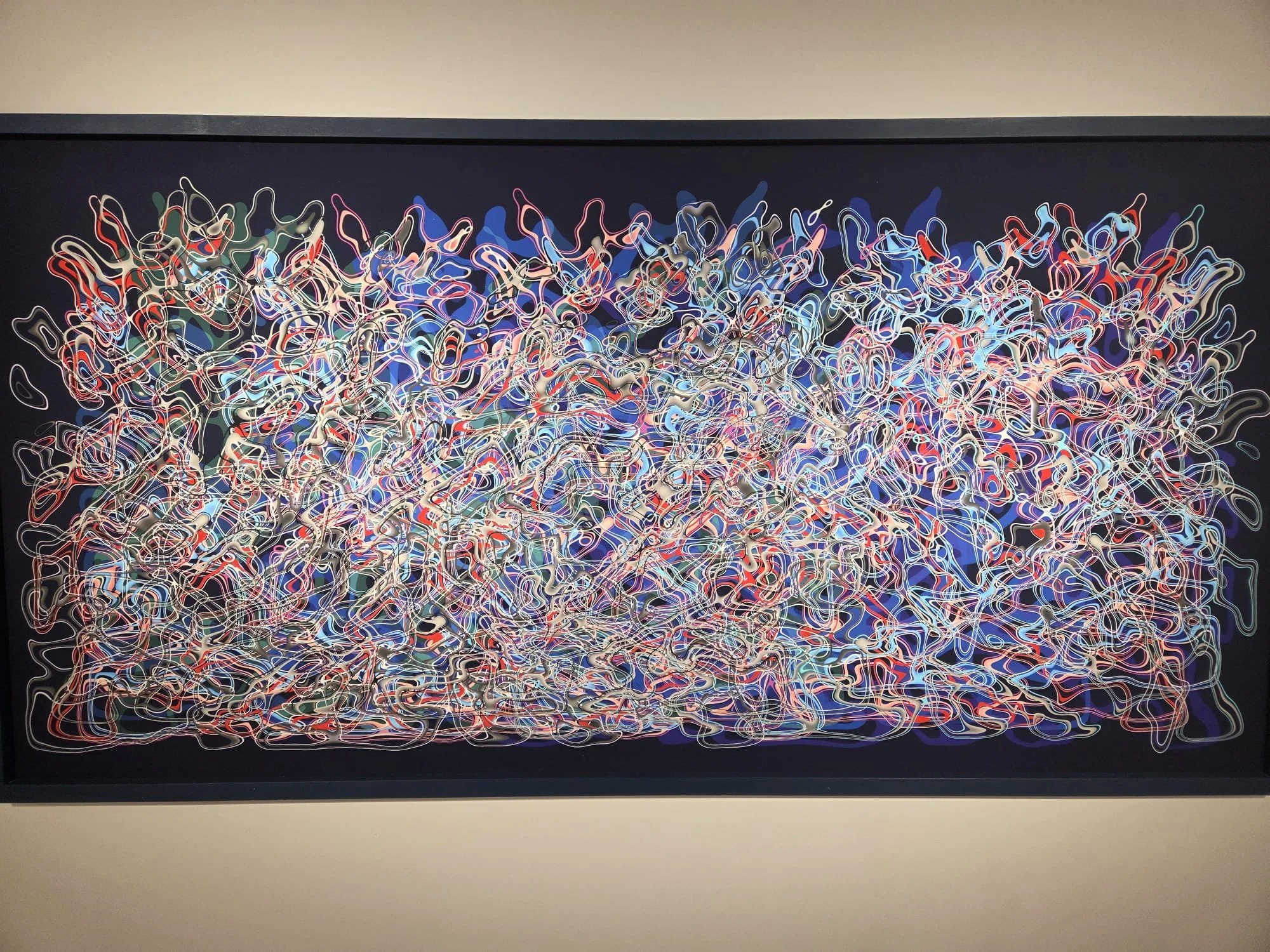
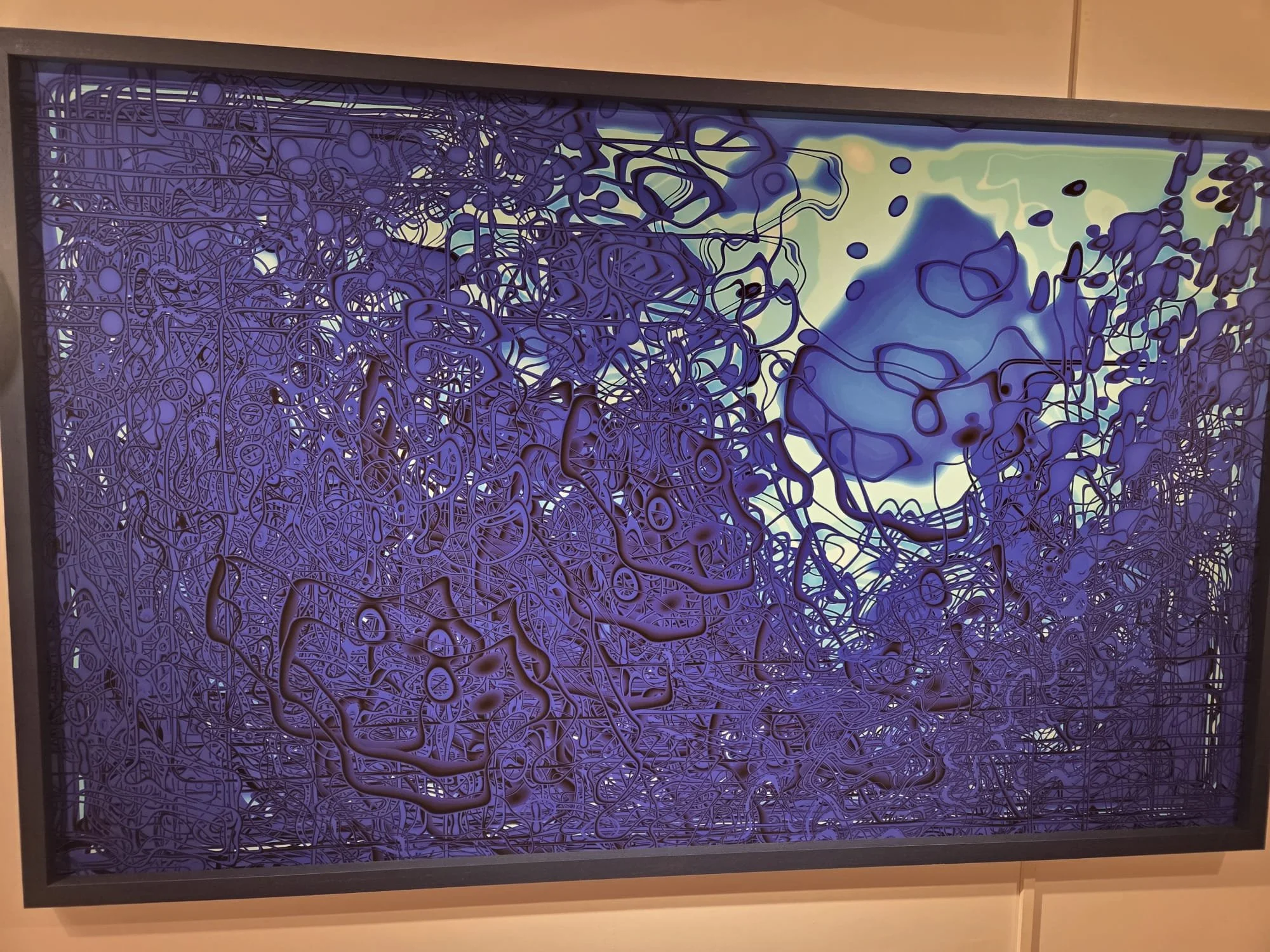
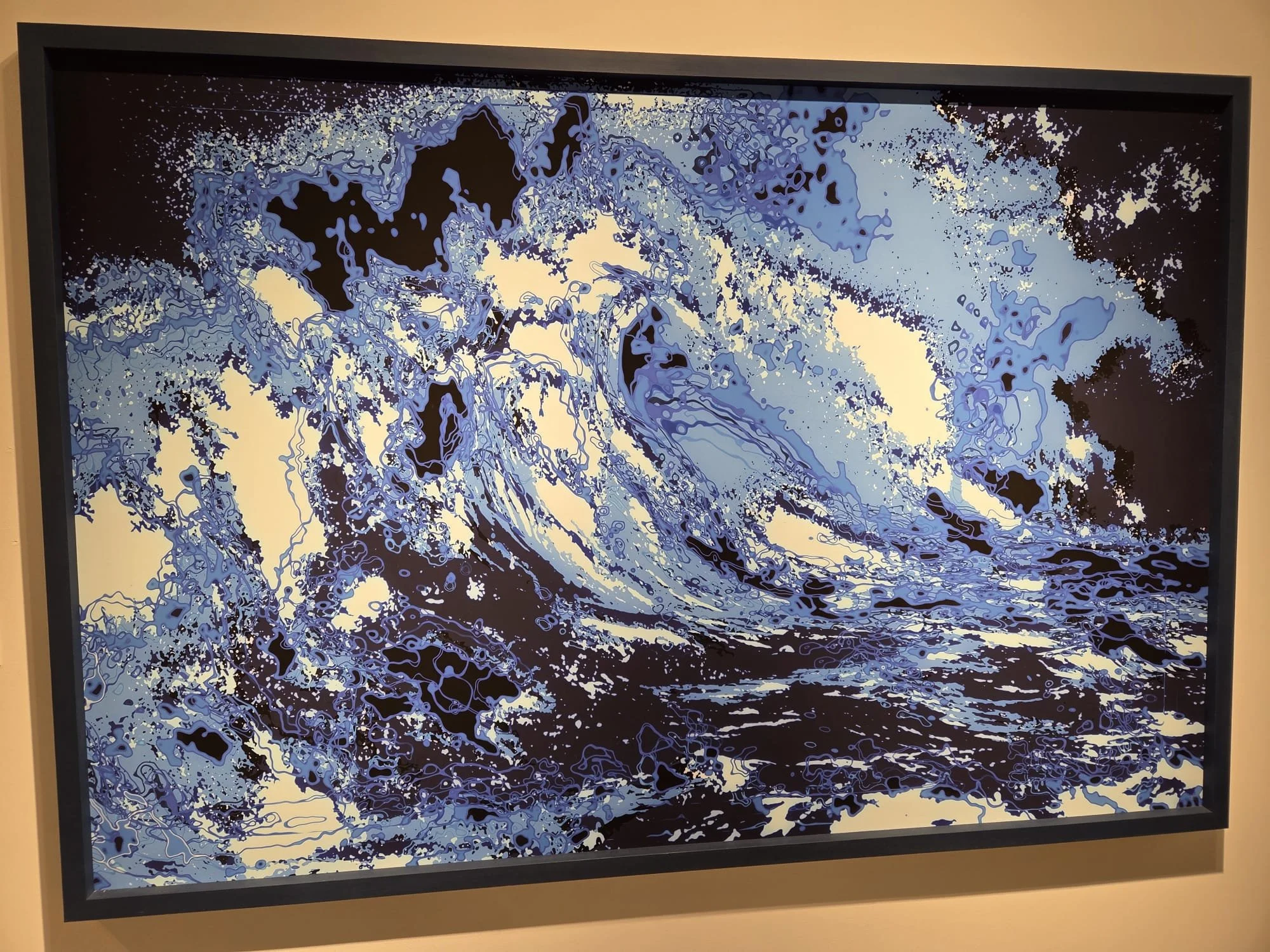
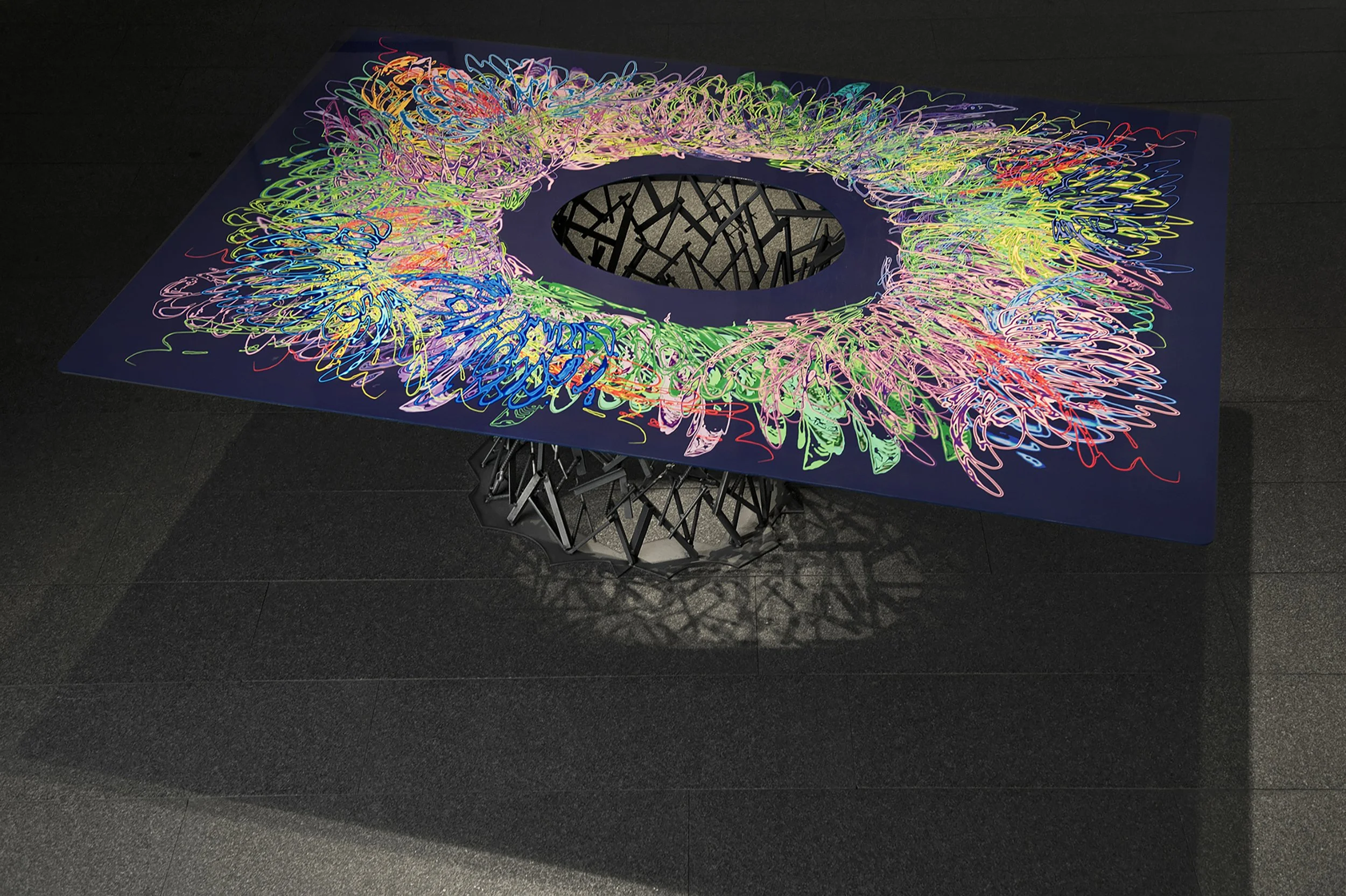
Festa’s work is immersive and fluid. At first glance it’s about colour, texture, and movement. But very quickly it becomes clear that it is also about water, pollution, and the fragile systems that sit just beneath the surface of what we see. I was drawn to the work below as it reminded me of that moment when you surface after a dive, catching the first glimmer of daylight. Here, though, the light feels blurred, as if water and plastic pollution have merged. It makes you pause and imagine what it would be like if pollution became so pervasive that it clouded not only your view but even your ability to breathe. The thought is unsettling, and yet the beauty of the piece remains deeply compelling.
Through a family friend I later got in touch with Elia Festa, and he shared more about his thinking with me over email. One line in particular stood out: è necessario lasciare respirare la mente: it is necessary to let the mind breathe. It sounds simple, but it carries weight. In conservation, we spend a lot of time dealing with urgency, data, targets, and pressure. What Festa is suggesting is that we also need spazio per riflettere, space to reflect, to really understand what we are doing and why. Festa began his career as a photographer in Milan in the late 1970s, gradually moving into more experimental and interdisciplinary practice. His work sits between photography, digital manipulation, and physical installation, often combining industrial and natural materials. In recent years, his focus has increasingly turned towards environmental themes. Water, plastic, and the transformation of materials are central to his work.
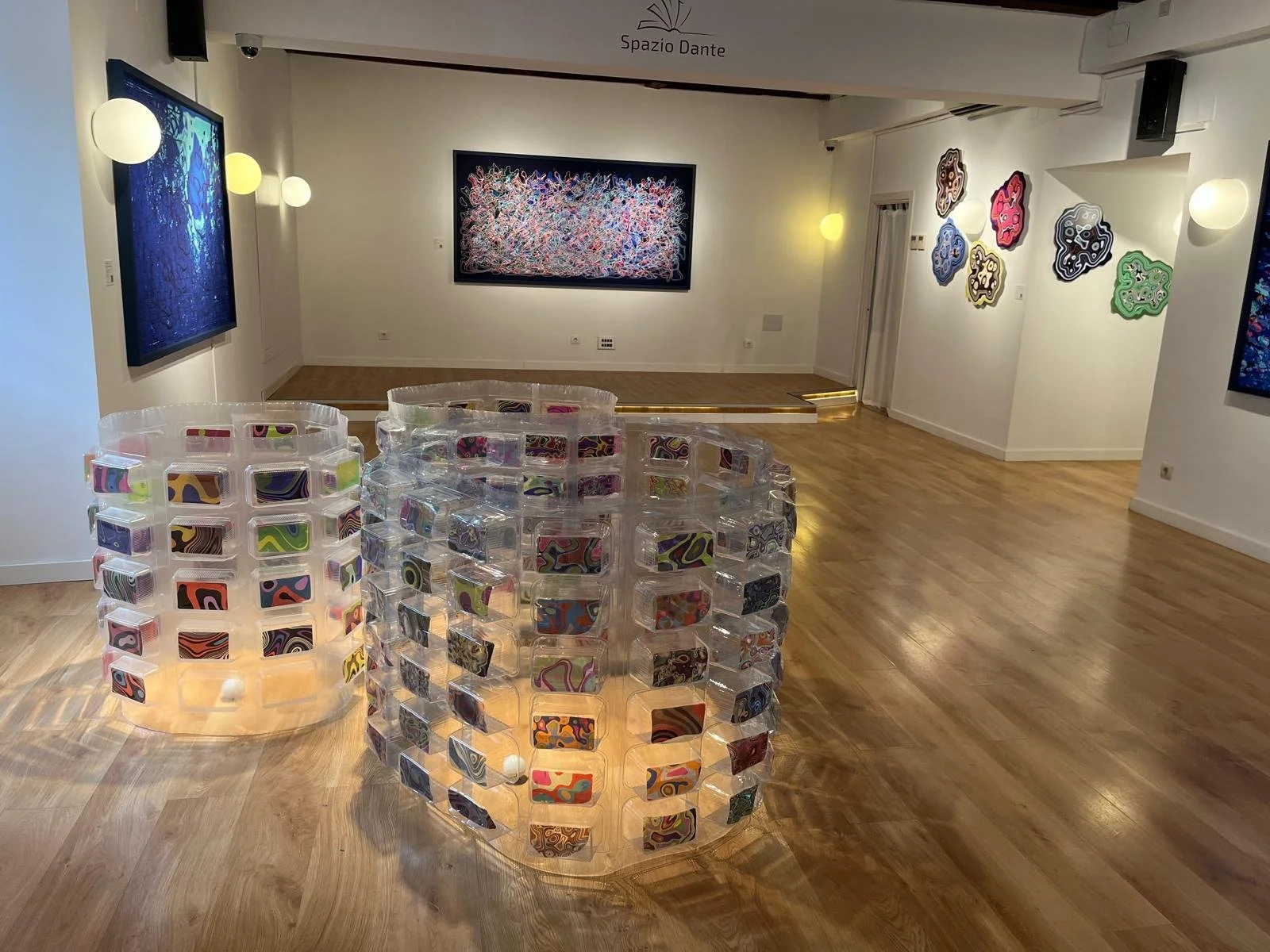
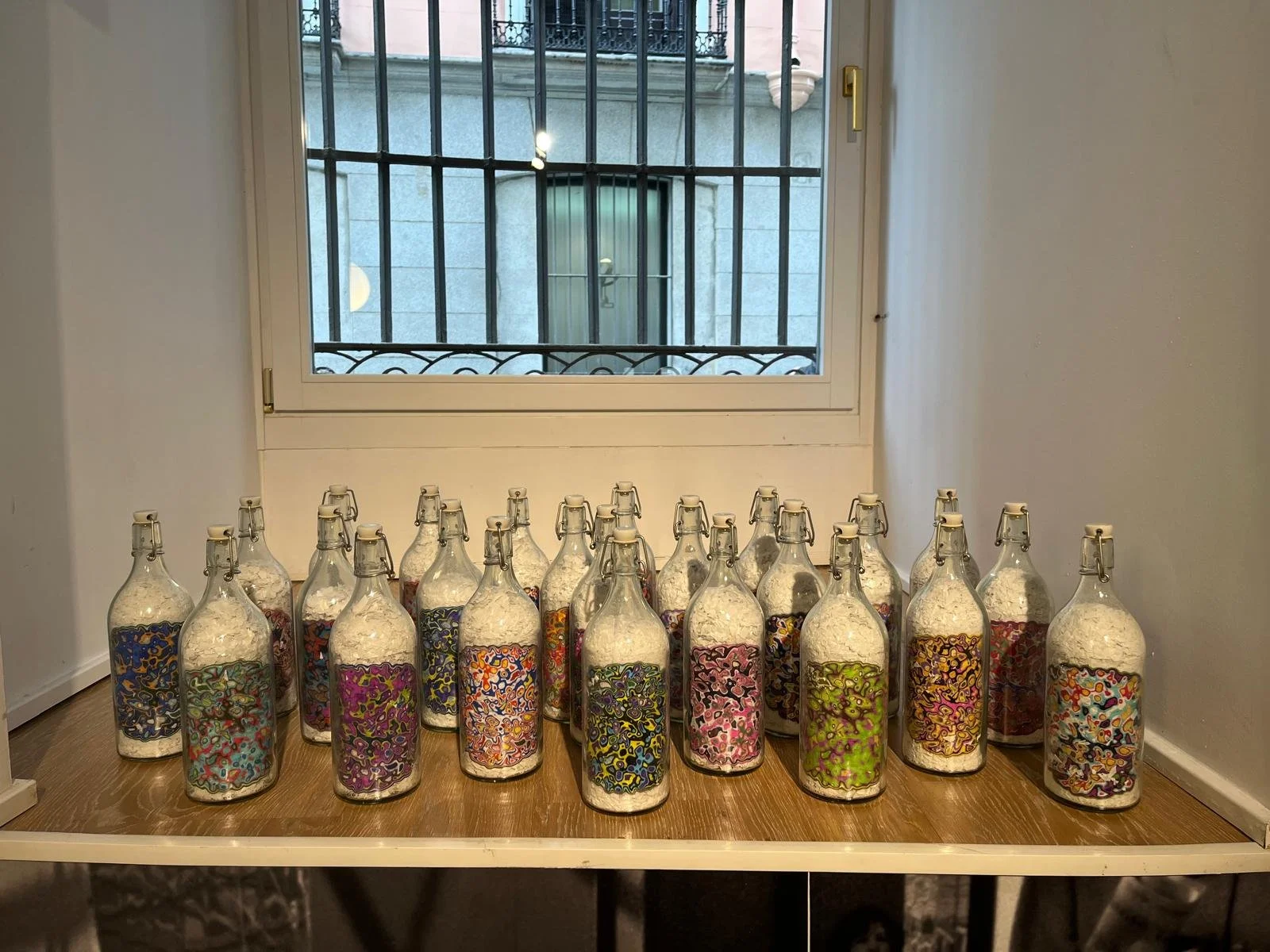
One piece that stayed with me was a collection of glass bottles, each containing fragments of recycled plastic recovered from the ocean. Individually, they felt small and contained. Together, they became something else entirely. The accumulation told the story. Not just of presence, but of scale. Just how much of this material is out there, circulating through marine systems, breaking down but never quite disappearing. It was a quiet but powerful way of saying something we already know scientifically, but don’t always feel. Much of Sussex Bay’s work happens out of sight. Beneath the surface, across seabeds, within habitats that most people will never directly experience. Science gives us the tools to measure these systems. We can map them, monitor them, and model them. But communicating them is another challenge entirely. This is where Festa’s work feels unexpectedly relevant. In other words, rende visibile l’invisibile, it makes the invisible visible.
At Sussex Bay, we often talk about evidence. Data underpins everything we do, from habitat restoration to biodiversity monitoring. But data alone does not always move people. Festa’s work points to another layer. It translates environmental realities into something emotional and immediate. His references to plastic pollution, shifting water systems, and material transformation mirror many of the challenges we are working on along the Sussex coast. There is a clear opportunity here. Not to replace science, but to complement it. Art can help people feel the scale and urgency of environmental change, translate complex datasets into intuitive experiences, and create new entry points for communities to engage with marine issues.
The Tide and Place programme at WRAP in Brighton
This idea of translating data into experience is already beginning to take shape closer to home. Local artists are taking over a building, exploring how art can interpret and communicate coastal and environmental data in new ways. It is exactly the kind of intersection we need more of. A space where science meets storytelling, data meets perception, and the public can step inside the systems we are working to restore. As part of this, a collection of independent artists will take over the space and create a warm and welcoming space for everyone. No big speeches, no set agenda, just a chance to be around people who care about the coast and want to shape Sussex Bay in new and creative ways.
If you’re curious, interested, or simply want to be part of a growing community working differently with nature, you’re very welcome. 100 people have requested a free ticket so far. You can book a free ticket here.
This experience also brought me back to a blog I wrote in Iceland in 2025, reflecting on the power of nature and art together. Standing in glacier landscapes, I wrote: nature doesn’t explain itself, it just is and in that, it forces you to feel before you understand and also art doesn’t compete with nature, it helps us notice it. Festa’s work sits exactly in that space. It doesn’t try to replicate the ocean. It creates a way of noticing it differently. What started as an unplanned visit in Madrid has opened up a wider reflection. There is a growing need to connect disciplines if we are to address the challenges facing our seas. Conservation cannot sit in isolation. It needs culture, creativity, and new ways of thinking. Festa’s philosophy feels like a useful reminder. If we create space for different perspectives, including artistic ones, we may find better ways to communicate, collaborate, and ultimately care for the ocean.
From Madrid to Sussex, the thread is the same. Abbiamo bisogno di vedere il mare in modo diverso: we need to see the sea differently if we are to protect it.
All images and videos © Ella Festa and © Sussex Bay. With thanks to Elia Festa for allowing Sussex Bay to share, and for generosity with time, ideas, and conversation along the way. If you’ve made it this far, thank you. Let’s enjoy some final escapism together: