
10 April 2026
Indy Grant
Reflections: expansive sustainability.
There’s a truth at the heart of sustainability that can be easy to forget: nature doesn’t need us. Give it time and things grow back. Coastlines shift, habitats return, life carries on in ways we don’t fully understand and definitely don’t control. The Earth will be fine. It’s humans who are a bit more negotiable. This is an important truth that should not be forgotten.
Sustainability is therefore not about ‘saving nature’, it’s not a grand rescue mission with a neat plan and targets. It’s an ongoing, slightly messy, always evolving relationship between humans and the natural world we are a part of.
I refer to this as expansive sustainability.
Sustainability as a Future Practice
Sustainability is often framed as maintaining what we have. We think about how to not make things worse, how to protect what we haven’t already wrecked. But expansive sustainability asks more of us. It asks us to build what comes next. That means thinking about younger generations not just as beneficiaries, but as active participants in shaping tomorrow. That might look like creating spaces to learn, to get young hands in the mud, or to understand the sea not as a postcard but as something alive and changing. It’s about helping young people feel a sense of ownership and belonging, so the future isn’t something abstract but something they’re already part of.
If sustainability is only about preventing loss, it can feel restrictive. But when it’s about building a shared future, it becomes energising. It invites creativity, collaboration, and hope. There’s room for imagination. Even a bit of excitement.
Respecting the Past
To move forward responsibly, we also need to look back honestly. Building without understanding the past is how you end up repeating the same mistakes, just with better branding. Expansive sustainability includes recognising the environmental impacts of past decisions, especially the ways industries, development, and consumption have shaped the ecosystems we see today. This is not about pointing fingers (although sometimes this is necessary) it’s about seeing clearly, and a large part of that is acknowledging the human stories tied to those decisions.
Not everyone has had an equal say in how land and sea have been used or cared for. Some voices have been louder, some have been missing entirely. Expansive sustainability tries to shift that, gently but deliberately, by making space for more people to be part of the conversation now. Not as a token gesture. Not as a last-minute addition. As a core part of how decisions get made. This is about understanding context, widening participation, and ensuring that the future we build is more inclusive than the past we’ve inherited.
Sustainability as a Shared Effort
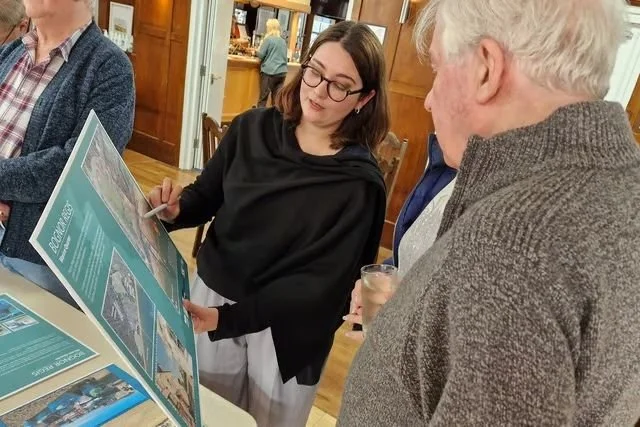
If there’s one defining feature of expansive sustainability, it’s this: it listens. Communities along the Sussex coast are diverse in background, experience, knowledge, and perspective. From fishers to farmers, students to scientists, long-time residents to newcomers, everyone holds a piece of the puzzle. Expansive sustainability is about engaging with all of these perspectives. Not just consulting, but genuinely listening. Not just inviting input, but valuing it. Sometimes that’s smooth, sometimes it’s awkward, sometimes it changes things you thought were settled. That’s kind of the point. Because no single group has all the answers and the best solutions tend to emerge when different ways of seeing the world come together. Expansive sustainability is about making room. The aim isn’t perfect agreement. It’s better understanding.
The Ship We’re Sailing Together
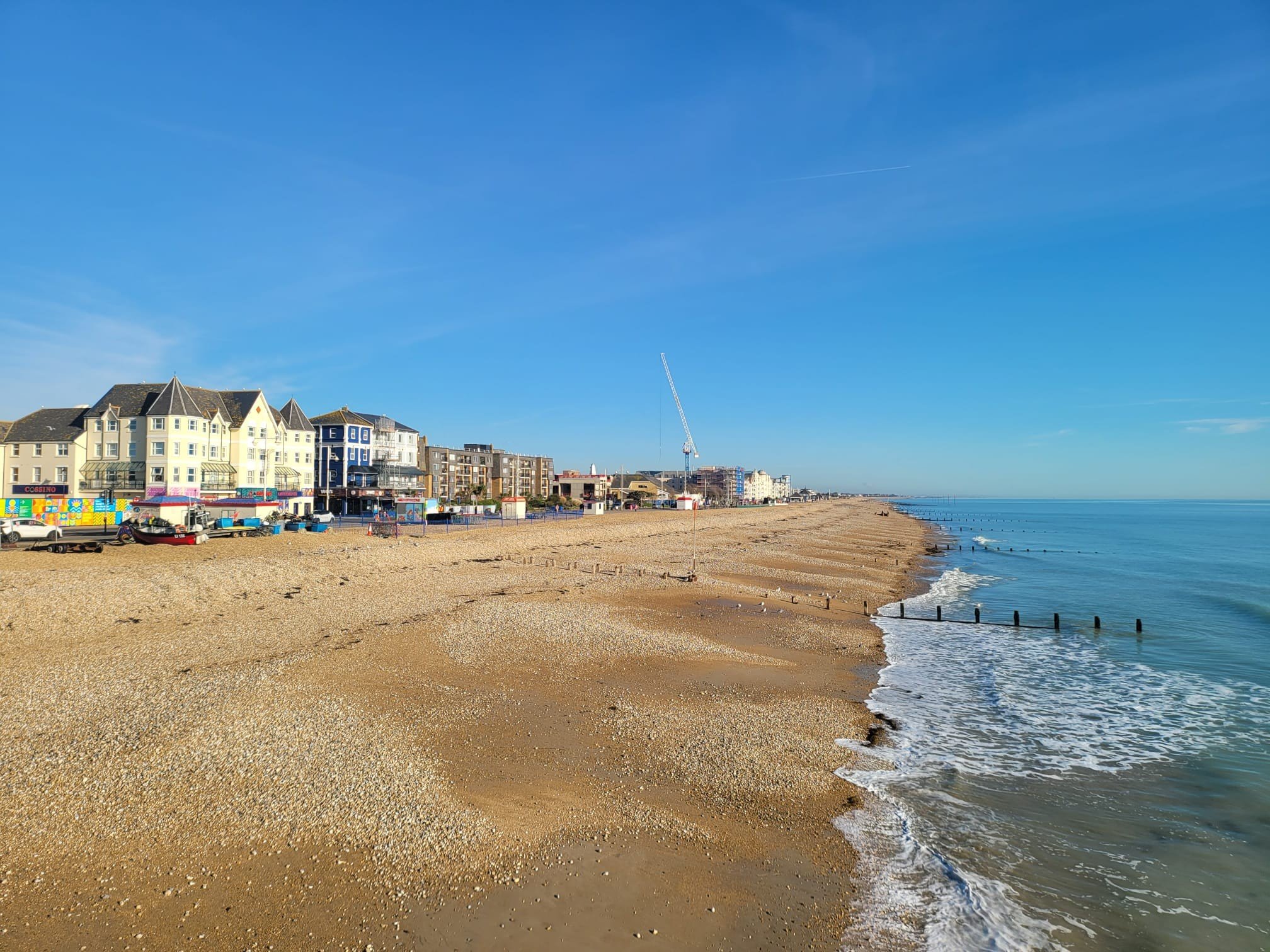
We are Sussex Bay, so it makes sense to bring us to the sea. We’re all on the same ship. Slightly weathered, occasionally creaky, heading into conditions that are, let’s be honest, a bit unpredictable. The instinct might be to look for someone to take the wheel. A clear captain, a fixed route, a reassuring voice saying “Don’t worry, I’ve got this.” Expansive sustainability doesn’t really work like that. It’s less about one person steering and more about everyone paying attention. Some people are adjusting the sails, some are keeping an eye on the horizon, some are below deck making sure things don’t quietly fall apart. Someone’s probably got a map, even if it’s a bit frayed at the edges.
The point is, responsibility is shared. We’re responding as we go, learning the patterns, getting things wrong and then correcting. We are guided less by rigid plans and more by a sense of where we’re trying to head, together.

A Living Approach: #SussexBay
Expansive sustainability isn’t a fixed plan or a finished idea. It’s a way of working that grows over time. It recognises that nature is dynamic, communities are evolving, and our understanding is always deepening. It embraces complexity rather than trying to simplify it away. At Sussex Bay, that means making space for experimentation, for collaboration, for conversations that don’t always have immediate answers. It means building relationships, not just between people and the natural world, but between people who might not otherwise meet.
Because in the end, sustainability isn’t just about the environment. It’s about how we live here. Together. In a place we care about. And how we keep shaping that place, bit by bit, in a way that means we get to stay.
If you’re curious, interested, or simply want to be part of a growing community check our our get involved pages and add your event or thoughts.
A Bit About Me
I’m Indy, and in my community participation role at Sussex Bay, I spend time with local communities, listening to what matters to them. I’ll be starting my PhD at the University of Surrey this October. My research focuses on lived experience: how people make sense of phenomena, systems, agency, and legitimacy. Working with Sussex Bay is a natural fit because it’s about connection. The voices of communities across Sussex influence everything we do, and our work developing your online community events platform furthers connections across the Bay.
Thank you Indy for your fresh perspective. We appreciate the fantastic impact you have made.
